

Change is constant in Early Years settings. Whether it’s implementing a new curriculum, updating policies, introducing digital systems, or preparing for inspections, how your team adapts to change can impact both staff wellbeing and children’s learning experiences. Effective change management is not just about processes; it’s about people.
What is Change Management in Early Years?
In an Early Years context, change management is a structured approach to helping staff, leaders, and teams move from current ways of working to improved practices that enhance learning, safety, and development. It’s about ensuring that changes, big or small, are adopted smoothly, embedded into everyday practice, and aligned with the developmental needs of children.
Why It Matters in Early Years Settings
-
Reduces Resistance: Staff may be hesitant about new routines or systems. A clear plan and support helps them adapt confidently.
-
Boosts Engagement: When educators are involved and understand the why, they are more likely to embrace change and embed it effectively.
-
Improves Outcomes for Children: Smoothly implemented change ensures children continue to experience consistent, high-quality learning and care.
-
Supports Staff Wellbeing: Change can be stressful. Thoughtful management protects your team’s emotional wellbeing and morale.
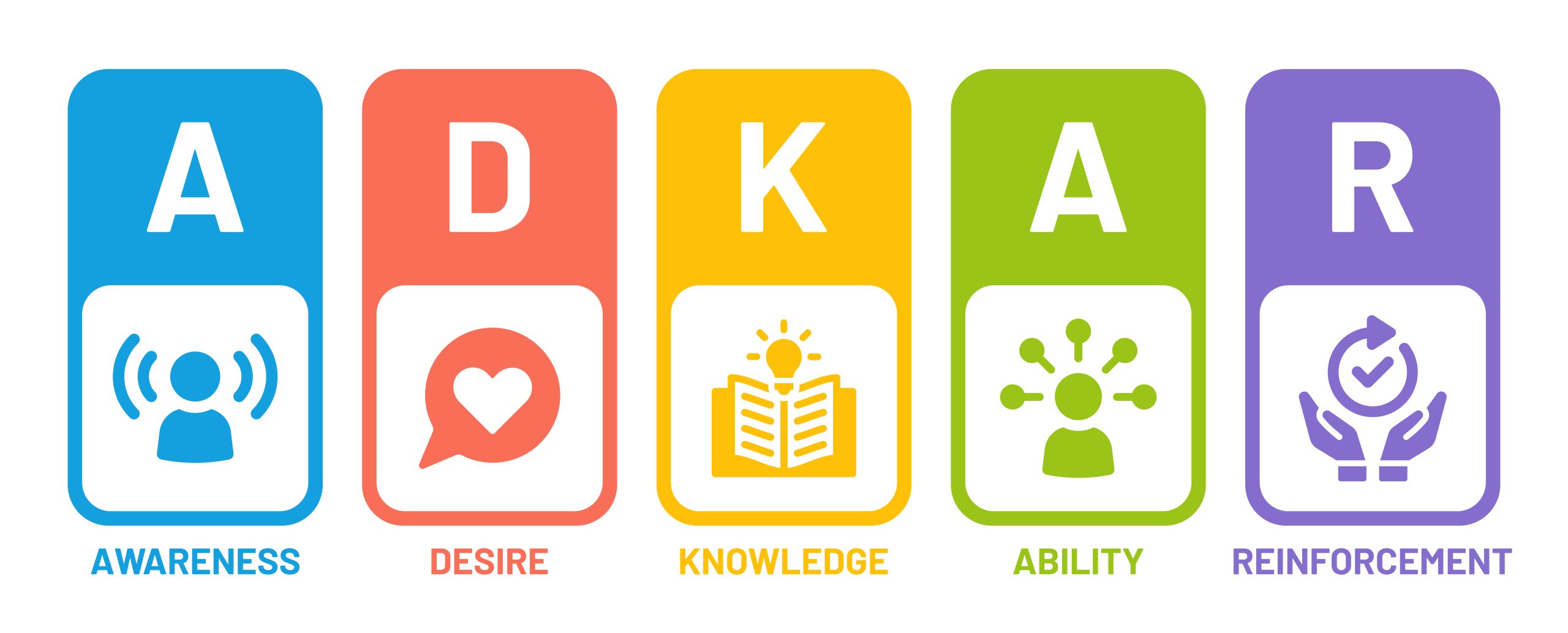
Stages of Change Management for Early Years Teams
Many models exist, but in practice, change in Early Years settings often follows these key steps:
-
Awareness: Explain why the change is happening and how it benefits children, staff, and the setting.
-
Desire: Inspire your team to engage by highlighting positive impacts on children’s learning and wellbeing.
-
Knowledge: Provide practical training, clear guidance, and resources so staff feel confident.
-
Ability: Support staff as they implement new routines, teaching strategies, or policies.
-
Reinforcement: Celebrate progress, share successes, and make the change part of everyday practice.
(This aligns with the ADKAR model – Awareness, Desire, Knowledge, Ability, Reinforcement.)
Tips for Leading Change in Early Years
-
Communicate Clearly and Frequently: Use staff meetings, emails, or informal check-ins to keep everyone informed.
-
Involve Your Team: Ask for input, share ideas, and include staff in decision-making.
-
Lead by Example: Demonstrate the behaviours, routines, or teaching strategies you want staff to adopt.
-
Provide Practical Training: Ensure staff have hands-on opportunities to practice new methods before full implementation.
-
Celebrate Wins: Even small successes in embedding new routines or approaches can boost confidence and morale.
Common Challenges and Solutions
-
Resistance to Change: Listen to staff concerns, provide reassurance, and explain benefits for children and the team.
-
Inconsistent Communication: Share updates through multiple channels and check understanding.
-
Stress and Overload: Introduce changes gradually and offer ongoing support.
-
Lack of Leadership Visibility: Senior leaders must champion change; staff take cues from leaders’ attitudes and behaviours.
Final Thoughts
In Early Years settings, change is inevitable. But when managed thoughtfully, it becomes an opportunity to improve children’s experiences, strengthen teams, and grow as a setting.
Remember: People don’t resist change, they resist being changed. Lead with empathy, clarity, and purpose, and your team will flourish alongside the children you support.


Leave A Comment